

Esports no longer looks like a niche side story inside gaming. It looks more like a media system with its own stars, event calendar, sponsor logic, and repeat viewing habits. Currently, startups and other businesses already show interest in the field as an attractive one for vibe fundraising. But that matters for investors too because media businesses become easier to value when attention shows up again and again, not just in one viral moment.
A platform model that connects gaming and esports
One reason this area looks like a stronger business is that some companies are building whole systems, not just one product. Thunderpick is a big player in multiple categories of gaming business. It offers much more than a small betting menu. It has many kinds of crypto gaming, including:
- live dealer games,
- slots,
- blackjack,
- roulette,
- poker,
- video poker,
- baccarat,
- craps,
- lottery-style games,
- and big esports titles like Counter-Strike 2, VALORANT, League of Legends, Dota 2, and Call of Duty.
So, Thunderpick crypto casino is not just a small extra connected to esports. It brings together playing, watching, and spending in one place. That kind of setup can help people stay longer and keep coming back.
That matters because esports fans rarely behave like one-format audiences. They move across matches, streams, side content, and game-related activity with ease. A platform that can hold those users across several touchpoints has a better chance of capturing value over time.
The investment angle becomes even clearer when Thunderpick moves from hosting activity to funding it. Its Thunderpick World Championship is scheduled to run from April to October 2026 and carries a total prize pool of $1,115,000, which the company describes as the highest esports tournament prize pool ever offered by a sportsbook.
This is Thunderpick’s 2025 championship streaming, showing how invested such platforms are in media and marketing.
That kind of commitment shows the business is not simply sitting next to esports traffic. It is helping create the content, prestige, and event identity that make the wider ecosystem more valuable. For investors, that is the more interesting signal. It suggests a platform that is not only monetizing fandom, but also shaping it.
The numbers now support the media thesis
The cleaner way to read esports today is to treat it as a stack of media signals rather than a single market number. Even if you pay attention to the business deals, there is a lot suggesting the same point, and one of them is the partnership between the mega-streamer, Disney+, and KeSPA, which is the e-Sports Association of Korea. This one is about what audiences prefer, and how it shapes media strategies.
Besides, there is long-run industry growth, there is sponsor-led monetization, there are tentpole events that still pull mass audiences, and there is the wider gaming base that keeps competitive play close to everyday digital habits. Taken together, those layers make the asset class look more legible than it once did.
What stands out is the mix. Event scale alone would not be enough. Market growth alone would not be enough either. But when large live audiences sit beside sponsor-heavy revenue structures and a much bigger gaming economy, the picture becomes more compelling. That is when esports starts to look less like a speculative bet on youth culture and more like a modern media segment with several paths to value creation.
Where investors may find the strongest upside next
The most promising opportunities may now sit in the businesses that organize attention rather than simply attract it for a weekend. That includes tournament intellectual property, media production, creator distribution, audience analytics, sponsorship packaging, and platforms that can keep fans engaged between major events. The wider media backdrop supports that view.
One recent industry outlook notes that global entertainment and media revenue is forecast to reach $3.5 trillion by 2029, with advertising expected to grow at 6.1% annually, three times faster than consumer spending at 2%. In the same outlook, Bart Spiegel says that “advertising is emerging as the leading powerhouse of the global entertainment and media industry’s revenues.” That line matters because esports is especially well suited to ad-supported, attention-driven models built around repeat engagement and digital targeting.
Why loyal fan communities make the economics stronger
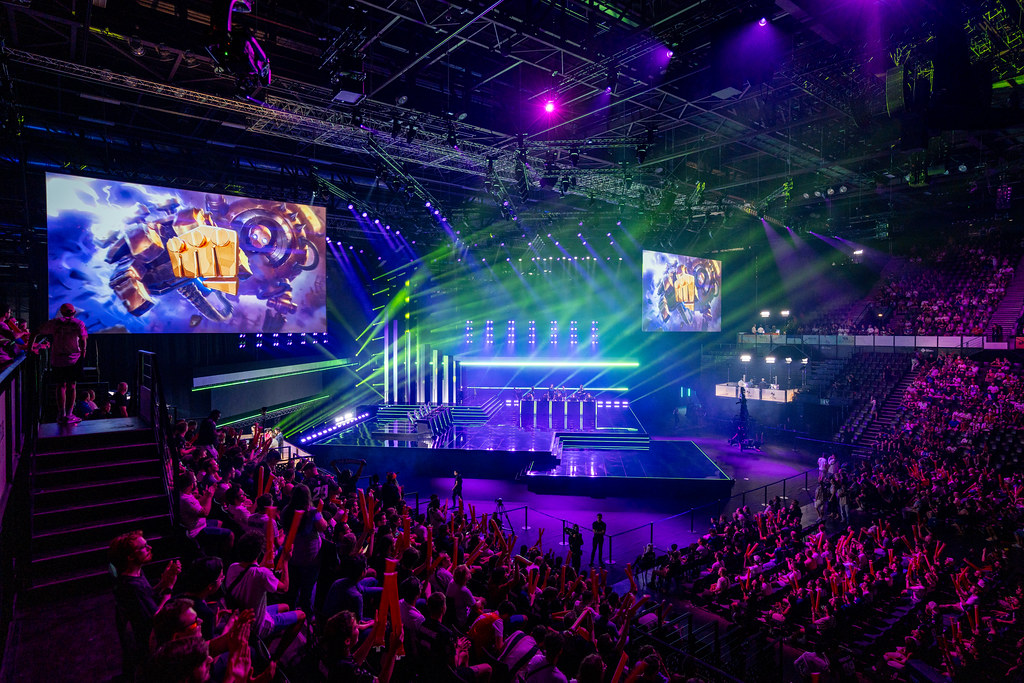
Having huge audiences in eSports tournaments is not surprising anymore.
There is also a helpful sign from the larger sports world. A 2025 study found that 67% of football fans around the world liked sponsoring brands more, compared with 54% of people in general. Esports is not exactly the same as traditional sports, but it has one important thing in common: it creates strong fan communities that come back often and care a lot.
For investors, that is important because it means money from sponsorships, media deals, and platform activity may be built on a steadier and more loyal audience, not just on having a lot of viewers at once.
That is why the next phase of esports investment may look more disciplined and more promising at the same time. The best assets are unlikely to be the loudest ones. They will be the businesses that convert fandom into recurring media value, measurable partner demand, and year-round engagement.
Esports no longer needs to prove that people care. The real opportunity now is to back the platforms and media assets that turn that care into durable, investable value.
